|
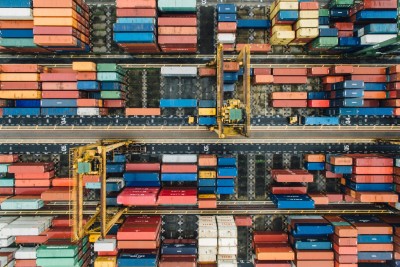
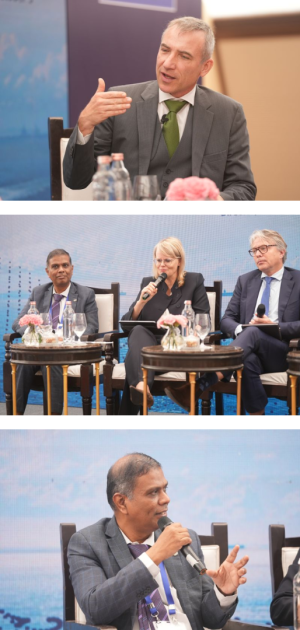
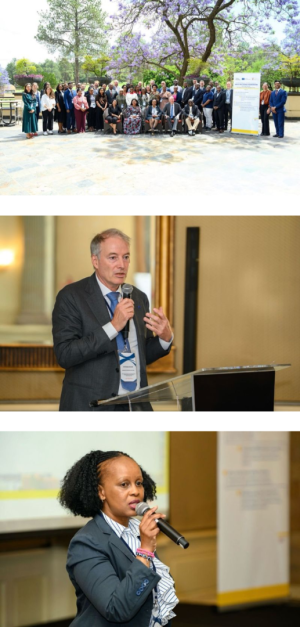
In conversations on international defossilisation over the past months from New Delhi to Pretoria, we’ve always returned to a simple point: green maritime transport won’t take off through the shipping sector's efforts alone.
Since ships cross borders, clear global rules are needed to give e-fuel project developers and investors confidence. We have also seen that ports willing to act early can learn through experience, shape the early markets, and position themselves for future growth.
Furthermore, a green corridor is much more than a route between two ports. It requires fuel producers, terminals, shipping companies, logistics providers, inland ports, hinterland logistics and offtakers to collaborate across the entire value chain.
Transitioning from announcements and memoranda of understanding to tangible projects also necessitates risk-sharing: governments and industry must align policies, provide appropriate support, and establish practical financing arrangements.
One encouraging insight is that shipping is not the only potential customer. Hydrogen, ammonia, and methanol can also be used in fertiliser, chemicals and green steel production. Including these sectors into the discussion could help to build demand and establish new supply chains.
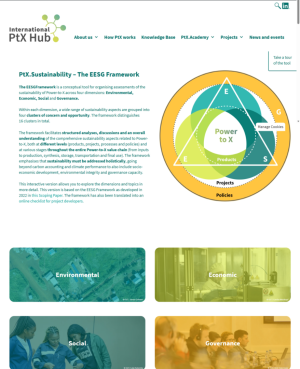
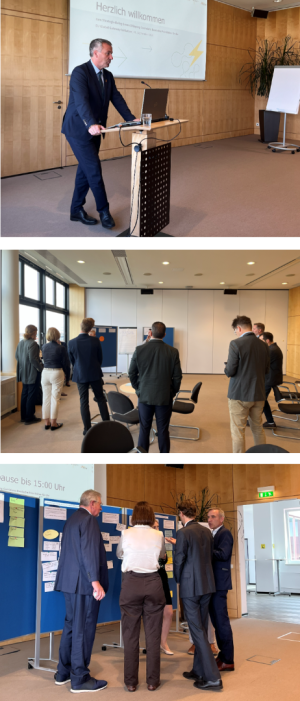
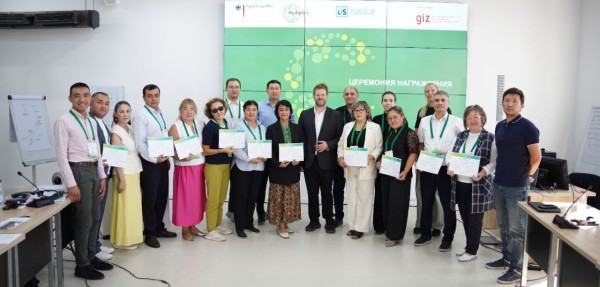
We are putting these insights into practice by helping build the knowledge, skills and partnerships needed to turn ambition into action. Recently, we introduced the EESG sustainability framework to Ukrainian stakeholders through a training session. Later this year, we will deliver trainings on e-SAF and a Train-the-Trainer course on green shipping in India.
We will continue to prioritise green shipping and aviation because we believe these sectors offer the greatest potential for scaling up Power-to-X production and creating greener, more reliable value chains.
Frank Mischler and Torsten Schwab
Directors of the International Power-to-X Hub |